
Root Canal Retreatment in Grand Rapids, MI
Confusion. Pain. Disappointment. We know that if your root canal fails, you may be experiencing a variety of emotions that not only damper your spirits, but put a dent in your overall health, too. An endodontic retreatment procedure can restore the root canal and save your tooth, so you can start smiling again.

What is endodontic retreatment?
Most root canal procedures end in success, but in some rare cases, teeth do not properly heal and become infected. The good news is that there are still options to save the natural tooth even after it has failed to heal or developed significant problems. Through endodontic retreatment, your endodontist will reenter the root canal, remove the filling, and clean the canal again. Then, a filling will seal the space. Your dentist may replace the crown if needed. In just one simple procedure, you’ll be able to have a healthy, functional tooth again.

.webp)
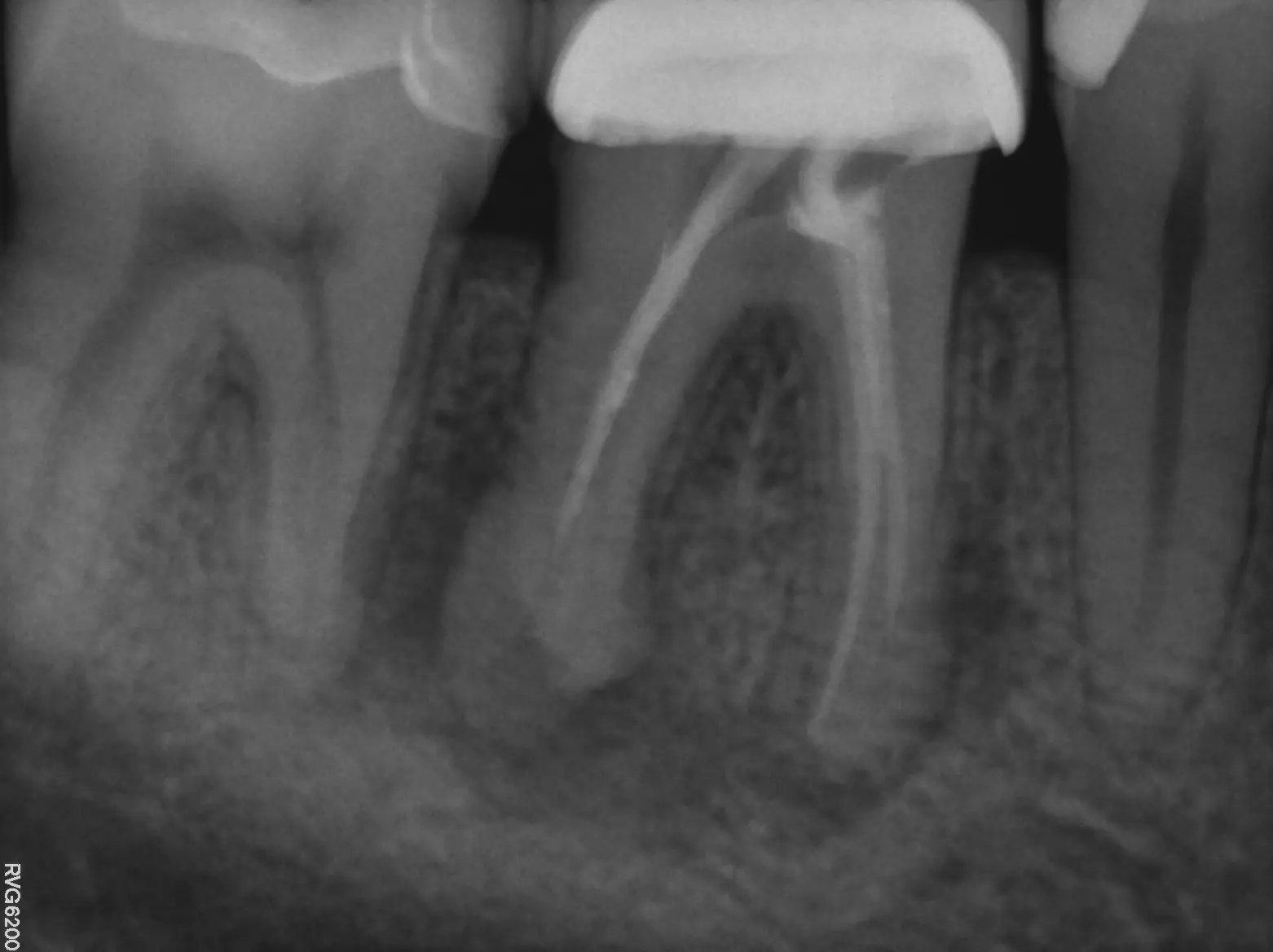
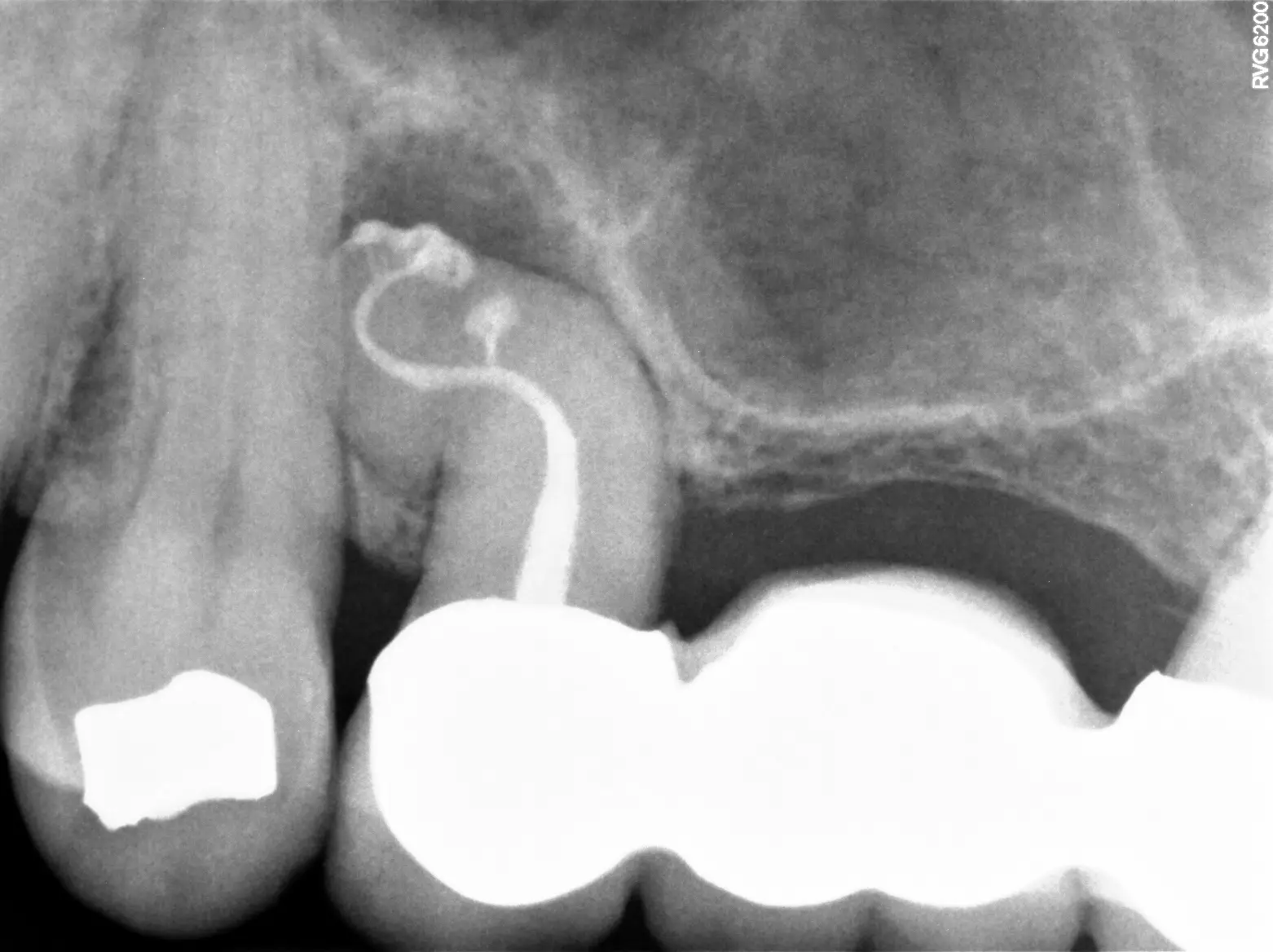
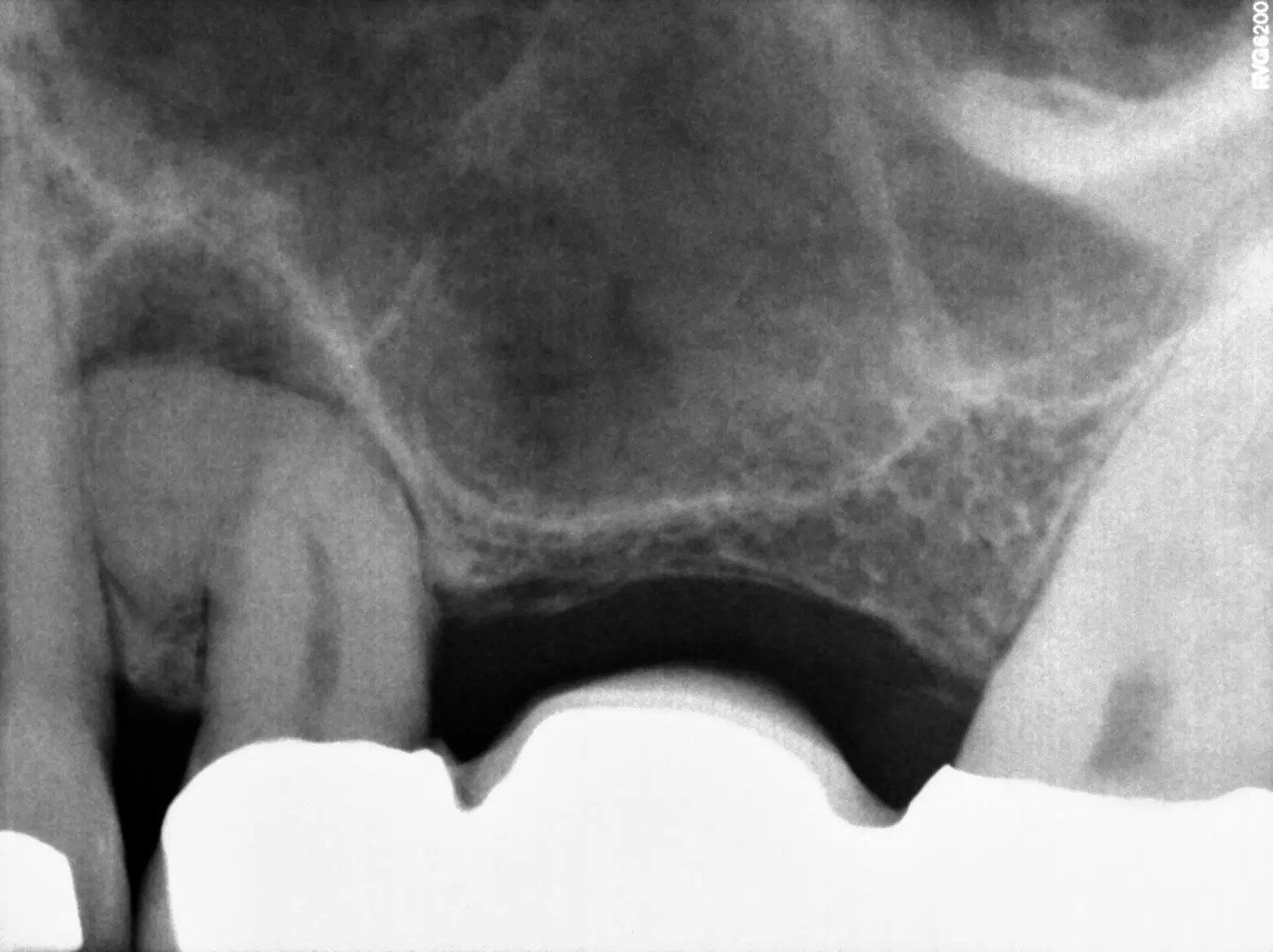
The Benefits of Endodontic Retreatment
Takes You Out of Pain
Struggling with an infected tooth is extremely uncomfortable. Often completed in a single visit, endodontic retreatment can quickly alleviate your pain. During the procedure, the tooth and its environment will be numbed to ensure your comfort from start to finish. Endodontic retreatment is one of the most efficient ways to soothe the pain and discomfort of an infected tooth, which can be excruciating.
Cost-Effective
Opting for endodontic retreatment can help you prevent costly procedures in the long run. A tooth extraction and replacement can take longer than root canal treatment due to follow-up appointments required for a denture, bridge, or implant—all of which can increase the overall cost. While every insurance is different, most plans cover endodontic retreatment, so you can get the affordable care you need.
Looks & Feels Natural
Endodontic retreatment allows you to extend the life of your natural tooth. Not only will this improve the overall health and function of your smile, but it can also boost your confidence, too!
The Endodontic Retreatment Process

Consultation & Access
First, your endodontist will invite you to a consultation to discuss your options. If you both choose to move forward with retreatment, your endodontist will typically create a small window through the existing crown or filling of your tooth to get access to the root canal.

Cleaning, Sealing, & Filling
Using a microscope to inspect the inside of your tooth, your endodontist will thoroughly clean the canals including any that may have been missed from the previous treatment. Next, your endodontist will fill and seal the canals. As needed, a temporary or permanent filling be placed in the tooth.

Follow-Up
Once your retreatment procedure is finished, your endodontist will help you coordinate with your dentist for any follow-up visits to apply a restoration, such as a new crown. This will protect, restore, and provide full functionality back to the tooth.
What makes us different
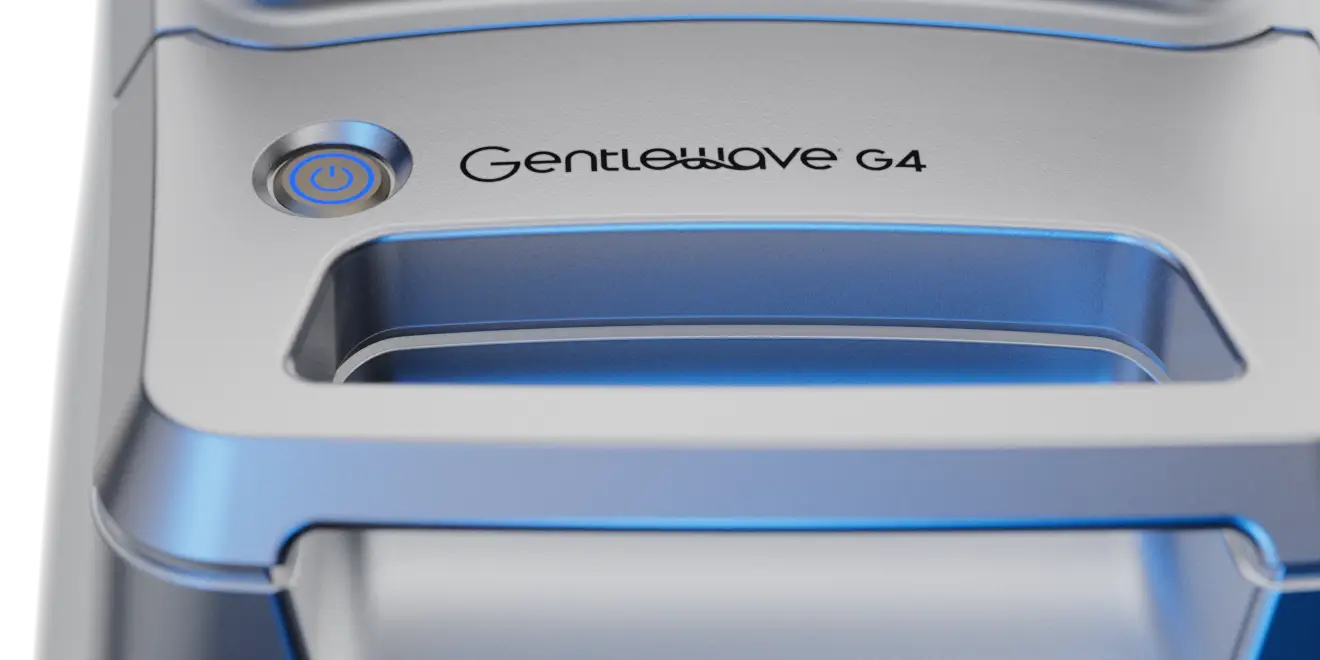
GentleWave
GentleWave technology allows us to thoroughly clean and disinfect even the most complex root systems with minimal invasiveness, offering a more comfortable and effective retreatment experience.

CBCT Imaging
Our cone beam CT scanner provides high-resolution 3D imaging, giving us a complete view of the tooth’s structure to identify hidden canals, fractures, or persistent infection.
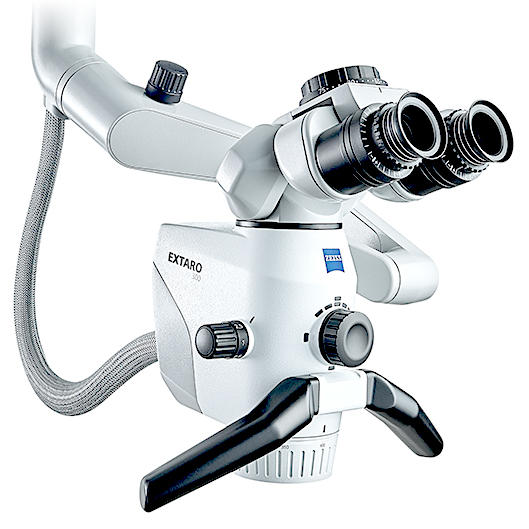
Zeiss Microscopes
We use advanced Zeiss operating microscopes to enhance precision during retreatment, allowing for clearer visualization of tiny canals and complex anatomy that may have been missed in previous treatments.
FAQs
Frequently Asked Questions
Check out these frequently asked questions, or call us to speak with our team.
If your root canal has failed and the tooth is experiencing infection or is susceptible to death, you may be a suitable candidate for endodontic retreatment. Whenever possible, your endodontist will always do what they can to save your natural tooth. Extraction is always the last possible resort. Teeth that have undergone endodontic retreatment can thrive and function for years to come, even for a lifetime.
It does not! Your endodontist uses the latest advances in modern technology and provides a variety of treatment techniques to ensure a smooth, painless procedure. Endodontists have found that retreatment often leaves patients with less discomfort during recovery than if they had their tooth fully extracted.
Many dental insurances do cover at least a portion of your retreatment costs. However, we recommend getting in touch with your provider to get a better understanding of your benefits and coverage.